Gipsy Hill flower arrangements for intimate ceremonies
Posted on 24/10/2026
Planning a small ceremony can feel wonderfully personal, but it also makes every detail feel a bit more visible. The flowers, especially, need to do more than "look nice". They should frame the room, suit the couple or family, work with the venue, and create that quiet moment where everyone thinks, yes, this feels right. That is why Gipsy Hill flower arrangements for intimate ceremonies deserve proper thought rather than a last-minute pick from a catalogue.
Whether you are arranging flowers for a registry-style celebration, a micro wedding, a vow renewal, or a close family gathering, the best design is usually the one that feels calm, refined, and personal. In this guide, we'll walk through what makes these arrangements work, how to plan them, and how to avoid the common mistakes that can make a small ceremony feel overdone or underwhelming. Truth be told, that balance is everything.
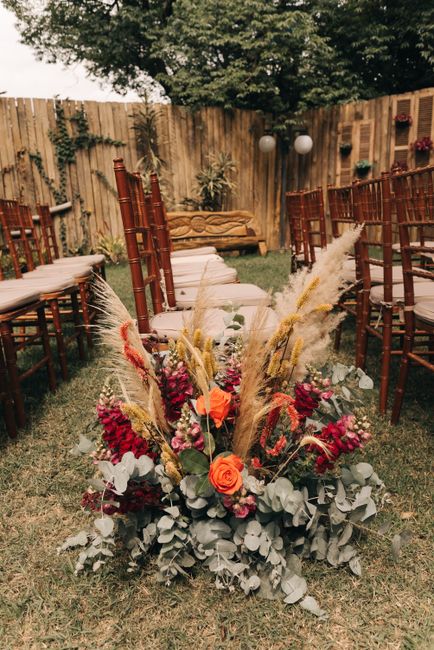
Why Gipsy Hill flower arrangements for intimate ceremonies Matters
Small ceremonies live or die on atmosphere. There is less visual clutter, fewer guests, and usually less room to hide a weak design choice. That is why floral styling has such a strong impact. A single arrangement can define the tone of the day: soft and romantic, modern and minimal, warm and seasonal, or quietly elegant.
In Gipsy Hill, many couples and families want flowers that feel local, practical, and appropriately scaled for smaller venues and homes. You may not need grand aisle pieces or towering pedestal displays. What you often need instead is considered, human-scale floristry: a bridal bouquet that photographs beautifully in a close setting, a couple of table arrangements that do not block conversation, and perhaps a focal design for the signing table or ceremony backdrop.
That smaller scale changes the whole brief. For an intimate ceremony, flowers are not background noise. They are part of the emotional rhythm of the day. You notice the scent as guests arrive. You see the texture before anyone speaks. And if the design is right, it quietly supports the moment rather than shouting over it.
Expert summary: For intimate ceremonies, the most effective flower arrangements are usually focused, proportionate, and personal. A few well-chosen designs often create more impact than a room full of oversized florals.
This is also where good local knowledge helps. Gipsy Hill and the surrounding parts of South London often call for florals that are easy to deliver, easy to place, and resilient enough to travel well. That matters more than people think. A bouquet that looked perfect on the workshop table can behave very differently after a car journey and a warm ceremony room. Flowers have opinions, let's face it.
How Gipsy Hill flower arrangements for intimate ceremonies Works
The process usually starts with three practical questions: how many people are attending, where the ceremony will take place, and what kind of mood you want to create. Once those are clear, the rest becomes much easier. A florist can then suggest flower choices, colour palettes, vessel styles, and the right number of arrangements for the size of the space.
For smaller ceremonies, floristry tends to work in layers. You might have one statement bouquet, a simple ceremony arrangement, a few table pieces, and maybe buttonholes or corsages for the closest people. That layered approach keeps the day cohesive without making it feel overdecorated.
Most intimate arrangements fall into one of a few common directions:
- Soft and romantic: roses, lisianthus, hydrangea, or pale mixed blooms for a gentle, classic feel.
- Minimal and modern: fewer stems, stronger shapes, and a tighter colour story.
- Natural and garden-inspired: loose textures, seasonal flowers, and a slightly more relaxed finish.
- Traditional and formal: carefully balanced arrangements with clear structure and polished lines.
If you are working with a budget, the "how it works" part becomes even more important. Smaller ceremonies can still feel luxurious, but only if the design focuses on the areas guests will actually notice. A beautiful bouquet and one strong table piece often do more than scattering flowers everywhere. It's a bit like lighting in a restaurant: get the right spots and the whole place feels better.
For shoppers who prefer to browse by style or occasion, the site's broader range can also help you narrow down a look before speaking to a florist. For example, if you want a ceremony to feel romantic rather than formal, a selection such as romance-led flowers can point you in the right direction. If you need something more classic and pared back, a white palette often works well for intimate settings.
Key Benefits and Practical Advantages
The obvious benefit is beauty, but there is much more to it than that. Well-planned intimate ceremony flowers solve real problems: they make a small space feel complete, help the couple or hosts feel looked after, and keep the event visually coherent from start to finish.
- Better proportion: The arrangements suit the size of the venue instead of overwhelming it.
- More personal feel: With fewer elements to manage, the flowers can reflect the couple's or family's style more clearly.
- Improved photography: Clean floral placement gives images structure without crowding faces.
- Lower waste risk: You are more likely to order what you will actually use.
- Greater flexibility: Small arrangements can move easily from ceremony to dining table to home afterwards.
There is also a quieter advantage that people sometimes miss. In a small gathering, guests are closer to the flowers. They can see the petals, the stems, the shape of the bouquet, and the care in the finishing. That means even modest arrangements need good workmanship. There's nowhere to hide a sloppy hand-tie or tired blooms.
Another practical benefit: intimate ceremony flowers are easier to coordinate with mixed-use spaces. A room that serves as a ceremony spot in the afternoon and a dinner setting later can be transformed with just a few well-placed pieces. That is especially useful in homes, small halls, restaurants, and registry-adjacent venues around South London.
Who This Is For and When It Makes Sense
This style of floristry is a strong fit for couples, families, and event hosts who want a warm, personal setting without the scale of a large wedding or formal event. It also suits people who care about detail but do not want to manage a huge floral production. Who really needs twelve arrangements for twenty guests? Usually, nobody.
It makes sense if you are planning:
- a micro wedding with a small guest list
- a civil ceremony or registry-office celebration
- a vow renewal at home or in a private hire space
- a close family blessing or engagement celebration
- a small dining-room reception after the ceremony
This approach also works well when the floral brief is emotionally specific. Maybe the flowers should nod to a loved one, echo a favourite season, or include a colour that means something to the couple. Small ceremonies are often more meaningful for exactly that reason: there is room for detail.
If you are choosing flowers as part of a wider wedding plan, it can help to look at coordinated options such as wedding collections, bridal bouquets, and buttonholes. Those categories are useful even for intimate ceremonies because they show how the different pieces can work together visually.
Step-by-Step Guidance
If you want the process to stay calm, work through it in order. That is the easiest way to avoid rushed choices and mismatched details.
- Define the ceremony style. Decide whether the mood is romantic, modern, traditional, seasonal, or very understated.
- Count the people who matter most. The number of guests, attendants, and key participants affects how many bouquets, buttonholes, or table pieces you need.
- Choose a colour direction. White and green feels timeless, pinks feel soft and affectionate, deeper tones feel richer, and mixed colours add energy.
- Match flowers to the venue. A small room usually needs lighter designs; a brighter space can carry stronger colour or fuller texture.
- Think about movement. Will the bouquet be carried, placed on a table, or moved between locations? The answer changes the design.
- Prioritise key focal points. For most intimate ceremonies, these are the bouquet, signing table, main table, and maybe the entrance or mantelpiece.
- Confirm delivery and setup timing. Flowers should arrive with enough time to settle before guests do, especially in warmer rooms.
Here's a small real-world example. A couple hosting ten guests in a South London dining room might choose one bridal bouquet, two buttonholes, and three low table arrangements. That is enough to make the room feel intentional without crowding the food, the conversation, or the photographs. Simple. Effective. No fuss.
If you are ordering nearby, a local florist can also advise whether the flowers should be hand-delivered or collected, which is useful if your ceremony schedule is tight. For timing-sensitive occasions, browsing delivery information and local florist options in Crystal Palace SE19 can help you plan the logistics with fewer surprises.
Expert Tips for Better Results
Small ceremonies reward restraint. That does not mean plain. It means disciplined. A good florist will usually start by asking what can be left out before asking what should be added.
1. Keep the palette tight
Two to three main colours are usually enough. Too many colours in a small room can make the design look busy. White, blush, green, and one accent tone is a safe and elegant combination.
2. Use texture to add interest
Texture often does more work than colour. Think of the ruffled edge of a rose, the clustered shape of hydrangea, or the delicate lines of lisianthus. Texture gives depth without making the arrangement louder.
3. Make sure the bouquet and venue speak the same language
If the bouquet is wild and relaxed, but the ceremony room is very formal, the whole look can feel a bit confused. Matching the emotional tone matters as much as matching the flowers.
4. Ask about vase height and sightlines
For intimate dining or ceremony settings, low arrangements are often the better choice because they keep faces visible. Nobody wants to lean sideways during a toast.
5. Build around seasonal flowers where possible
Seasonal stems tend to look more natural and often hold up better. They can also give the design a sense of time and place, which feels especially nice in a local ceremony.
One extra tip from practical experience: ask for a backup plan if one stem is unavailable. Good florists do this instinctively. It keeps the design feeling intentional even when the stock room has its own ideas.
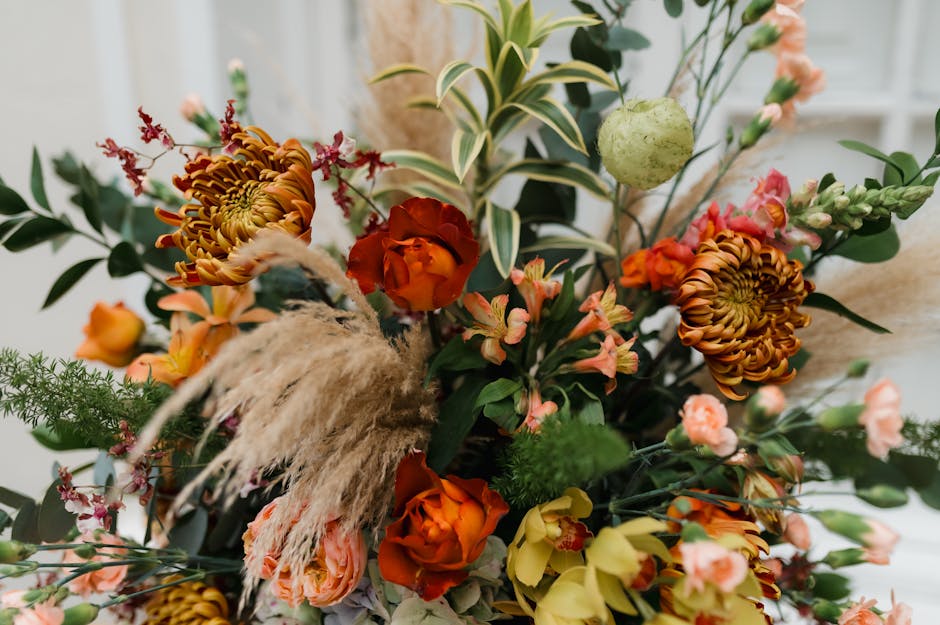
Common Mistakes to Avoid
The most common mistake is over-ordering. People often imagine they need far more flowers than the space can hold. In a small ceremony, too many arrangements can make the venue feel crowded and can also reduce the visual impact of each piece.
Another common issue is choosing flowers that are lovely in theory but awkward in practice. Very large heads, heavy stems, or delicate varieties can be less suitable if the bouquet has a long journey or the room is warm. Beautiful, yes. Practical, not always.
- Ignoring scale: Oversized arrangements can dominate a small room.
- Mixing too many styles: Romantic, rustic, modern, and formal all at once tends to look muddled.
- Forgetting the photo angle: Tall designs can block faces in pictures.
- Leaving everything to the last minute: This often leads to poorer flower choice and limited availability.
- Neglecting scent: Very strong fragrance can be lovely, but in a compact space it can overwhelm sensitive guests.
And yes, colour clashes happen more often than people admit. A bouquet that looked gorgeous online can sit oddly against dark wood, cream walls, or a brightly painted room. It helps to picture the flowers in the actual space rather than on a perfect white background. Little detail, big difference.
Tools, Resources and Recommendations
You do not need complicated tools to plan intimate ceremony flowers, but a few simple resources make the process smoother.
- A venue photo: Even a phone snapshot helps a florist judge scale and placement.
- A guest count: This clarifies how many focal pieces are needed.
- Colour references: Bridesmaids' outfits, table linen, or invitation designs can guide the palette.
- A timing plan: Ceremony start time, delivery window, and setup access all matter.
- Flower inspiration: Save images of arrangements you like, but also note what you do not like.
If you want a convenient starting point, consider browsing categories such as all flowers, white flowers, pink flowers, or florist's choice arrangements. Those pages can help you narrow the mood before you finalise a ceremony brief. If you are working to a budget, budget-friendly options are worth considering too, as small ceremonies often benefit from thoughtful simplicity.
For aftercare, the site's flower care guidance is useful if you want arrangements to look fresh for longer, especially when you plan to reuse them at home after the ceremony.
Law, Compliance, Standards, or Best Practice
For intimate ceremonies, the legal side is usually straightforward, but good practice still matters. If flowers are being delivered to a venue, home, or hired room, it is sensible to confirm access times, any loading restrictions, and whether the venue has rules about candles, water, stands, or floor protection. That kind of thing can save a lot of stress on the day.
In the UK, the broader principles are simple: be clear about delivery arrangements, handle customer information properly, and set realistic expectations about seasonal variation. Flowers are living products, after all. The exact stem mix may change slightly depending on availability, and a trustworthy florist will say that upfront rather than pretending every bouquet is identical. Good, honest practice matters more than flashy promises.
It is also worth checking policies on substitutions, returns, and refunds before ordering. If something needs reviewing after delivery, knowing the process in advance helps everyone stay calm. You can review practical policy pages such as returns and refund information, terms and conditions, and privacy policy. Those pages are not glamorous, no, but they are part of a trustworthy buying experience.
For sustainability-minded customers, it can also be helpful to look at sustainability information. Small ceremonies often lend themselves to a more thoughtful use of stems, less waste, and arrangements that can be enjoyed after the event rather than discarded immediately.
Options, Methods, or Comparison Table
If you are unsure which arrangement style fits your ceremony, this comparison may help you think it through more clearly.
| Option | Best for | Strengths | Possible drawback |
|---|---|---|---|
| Hand-tied bouquet only | Very small ceremonies, elopements, simple portraits | Elegant, affordable, easy to carry | May feel too minimal if the venue is bare |
| Bouquet plus two focal arrangements | Micro weddings and intimate registry-style events | Balanced, practical, visually complete | Needs sensible placement planning |
| Full small-package styling | Private room ceremonies, dining-room receptions, vow renewals | Feels coordinated from start to finish | Costs more and needs tighter coordination |
| Seasonal florist's choice | Couples open to creative direction | Often the freshest and most natural look | Less control over exact flower types |
For many readers, the middle option is the sweet spot. It gives enough presence for the day to feel special without turning the room into a floral showroom. Which, to be fair, is not always what a small ceremony needs.
If you are leaning toward a wedding-style setup rather than a simple bouquet, the dedicated product pages for table arrangements and corsages can be useful reference points when deciding how formal or relaxed the design should feel.
Case Study or Real-World Example
Imagine a late-afternoon ceremony in a modest South London venue, with twelve guests, a signing table, and a shared meal afterwards. The couple want the day to feel warm rather than grand. They also want flowers that can move from the ceremony table to the dining table with minimal fuss.
A practical design for that kind of setup might include:
- one hand-tied bouquet in soft whites and blush tones
- two small but full table arrangements
- two buttonholes for the nearest family members
- optional petals or a small accent piece for the entrance
The result is tidy, elegant, and easy to manage. Guests see the flowers up close, the photos look cohesive, and nothing feels wasted. Later, the table arrangements can be moved into the home, where they keep extending the day in a quieter way. That part always feels nice, honestly.
In situations like this, a classic design often works better than something overly elaborate. A few stems with good shape and texture can carry the whole atmosphere. The room gets a pulse, not a performance.
Practical Checklist
Use this quick checklist before you confirm your flower order:
- Have you confirmed the ceremony date and start time?
- Do you know the exact venue or room layout?
- Have you chosen a colour palette?
- Do you know how many bouquets, buttonholes, or table pieces are needed?
- Will the flowers need to travel between locations?
- Have you checked delivery or collection timing?
- Are there any fragrance sensitivities to consider?
- Have you shared inspiration photos or style notes?
- Do you understand the substitution policy if a stem is unavailable?
- Will you want the flowers reused after the ceremony?
If you can answer those confidently, you are in good shape. If not, pause and sort the gaps first. A ten-minute check can save a lot of day-of chaos.
Conclusion
Gipsy Hill flower arrangements for intimate ceremonies work best when they feel purposeful, personal, and beautifully scaled to the moment. The goal is not to fill space for the sake of it. The goal is to create an atmosphere that feels easy, elegant, and emotionally right for the people in the room.
When you choose flowers with the venue, guest count, and practical flow in mind, the whole ceremony becomes smoother. The arrangements look better, the photographs feel calmer, and the day tends to breathe a little more. That is the real value of thoughtful floristry. Not drama. Not excess. Just the right flowers in the right place.
If you are still deciding, start small and build with intention. Most of the time, that is enough. Often, it is better than enough.
Get a free quote today and see how much you can save.
Frequently Asked Questions
What makes flower arrangements suitable for an intimate ceremony?
They should be proportionate, easy to place, and matched to the mood of a small gathering. In practice, that usually means fewer pieces, better positioning, and a tighter colour palette.
How many flower arrangements do I need for a small ceremony?
It depends on the venue and guest count, but many intimate ceremonies work well with one bouquet, one or two focal arrangements, and a few personal flowers such as buttonholes or corsages.
Are white flowers always the best choice for intimate ceremonies?
Not always. White is classic and calm, but blush, green, soft peach, or a restrained mix of colours can feel just as elegant. The best choice is the one that suits the space and the people.
Can I reuse ceremony flowers at the reception?
Yes, and it is often a smart approach. Smaller ceremonies especially benefit from arrangements that can move from the ceremony area to the dining table, mantelpiece, or entryway afterwards.
What flowers work well for a romantic small ceremony?
Roses, lisianthus, hydrangea, tulips, and mixed seasonal flowers often work beautifully. The final choice depends on the look you want and the time of year.
How far in advance should I order intimate ceremony flowers?
Earlier is usually better, especially if you want a specific date, delivery window, or style. A bit of planning gives you more choice and reduces last-minute stress.
Do small ceremonies need expensive flowers to look good?
No. Good design matters more than size or price. A carefully styled bouquet and a couple of well-placed arrangements can look more impressive than a room full of extra stems.
What if I want flowers that look natural rather than formal?
Ask for a softer, seasonal style with looser movement and varied texture. A natural look usually works very well for intimate settings because it feels relaxed without looking unfinished.
Can I request specific flowers for a personal reason?
Yes, and many people do. A favourite bloom, a remembrance flower, or a colour connected to a family memory can make the ceremony feel much more meaningful.
What should I do if my venue is very small?
Keep arrangements low, simple, and carefully placed. Focus on one or two important spots rather than trying to fill every corner. In a small room, restraint is your friend.
How do I make sure the flowers match the rest of the ceremony?
Share your dress or outfit colours, table styling, invitation design, and venue photos with the florist. Even a few references can help create a much more cohesive result.
Are florist's choice arrangements a good idea for intimate ceremonies?
They can be excellent if you trust the florist's taste and want the freshest possible seasonal mix. They are especially useful when you prefer mood and quality over exact flower types.
Sometimes the simplest flowers are the ones people remember most. And that, really, is the quiet magic of a small ceremony.